SAN MARCOS AUTOMOTIVE  SERVICES


No Appointments - First Come First Served

CALL US

Quick Align is open and ready to provide you with the same friendly service from our experienced team!

We are also pleased to announce that we are now under new management and woman-owned!

Your one stop for complete automotive service!

Voted Best of Hays for Auto Repair!

22 years in business. Over 70 years of staff experience.

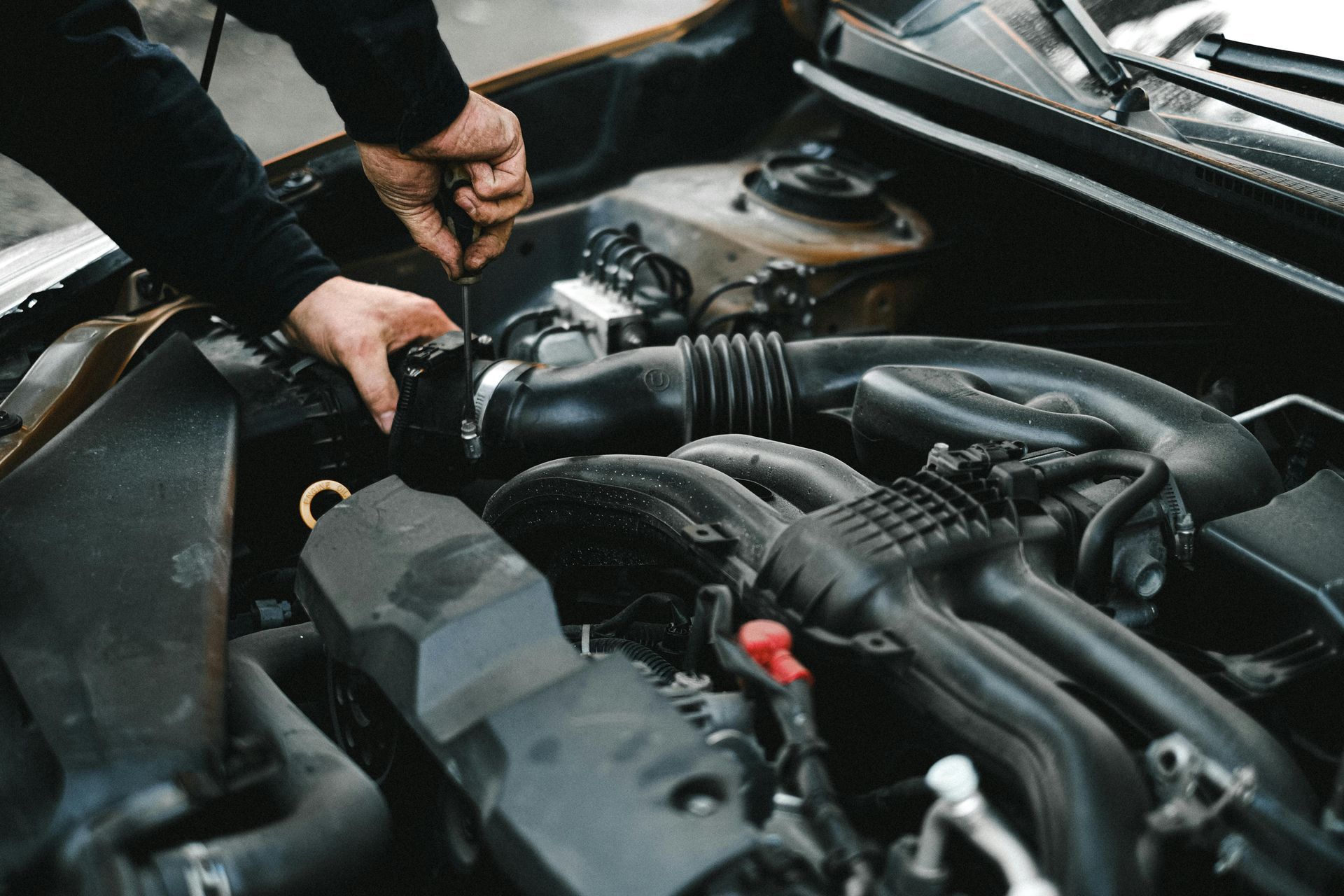
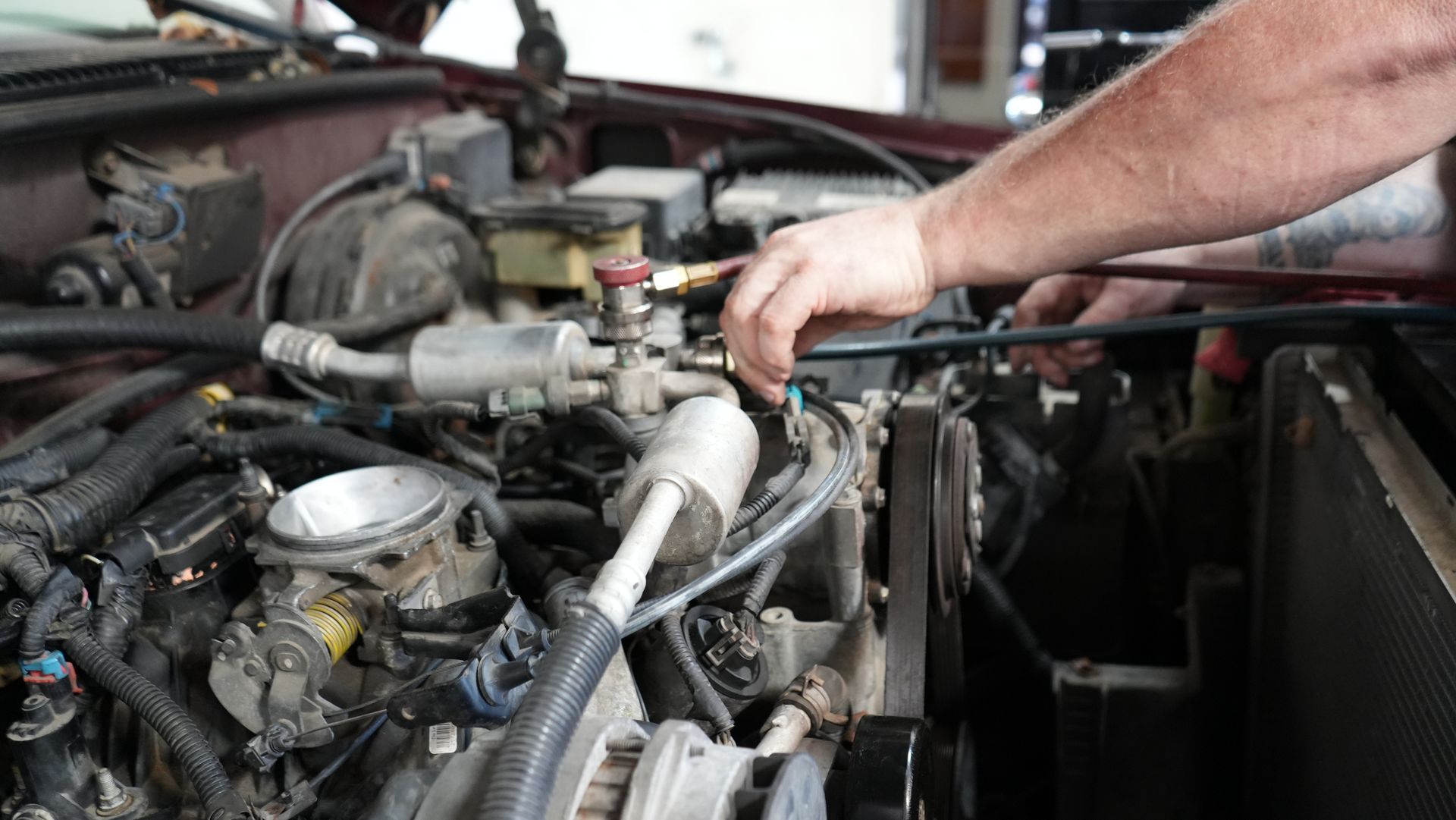
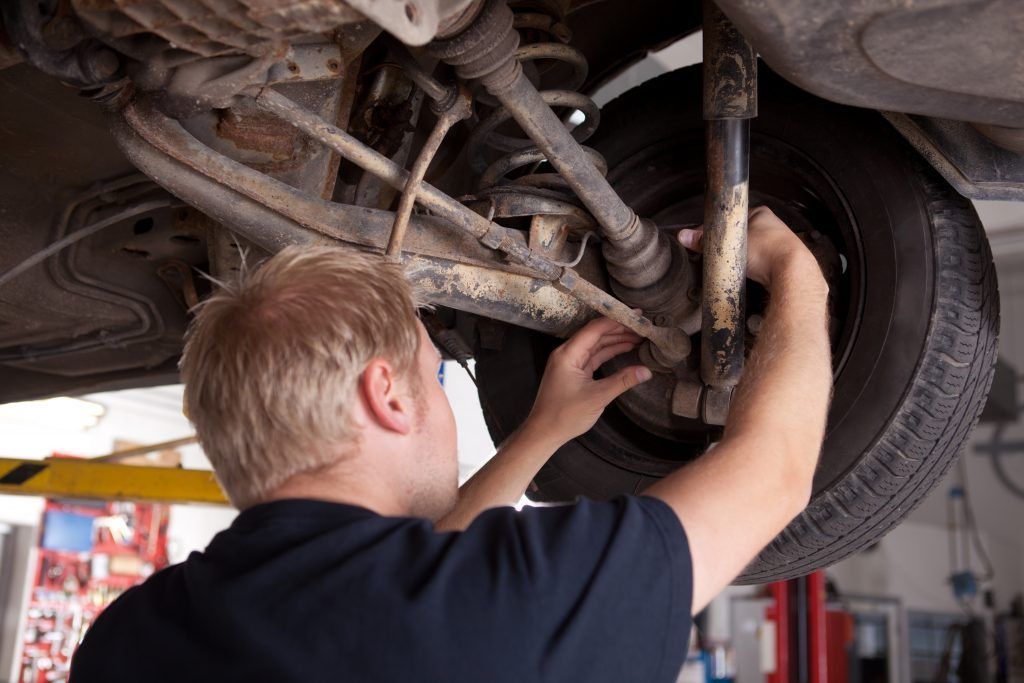
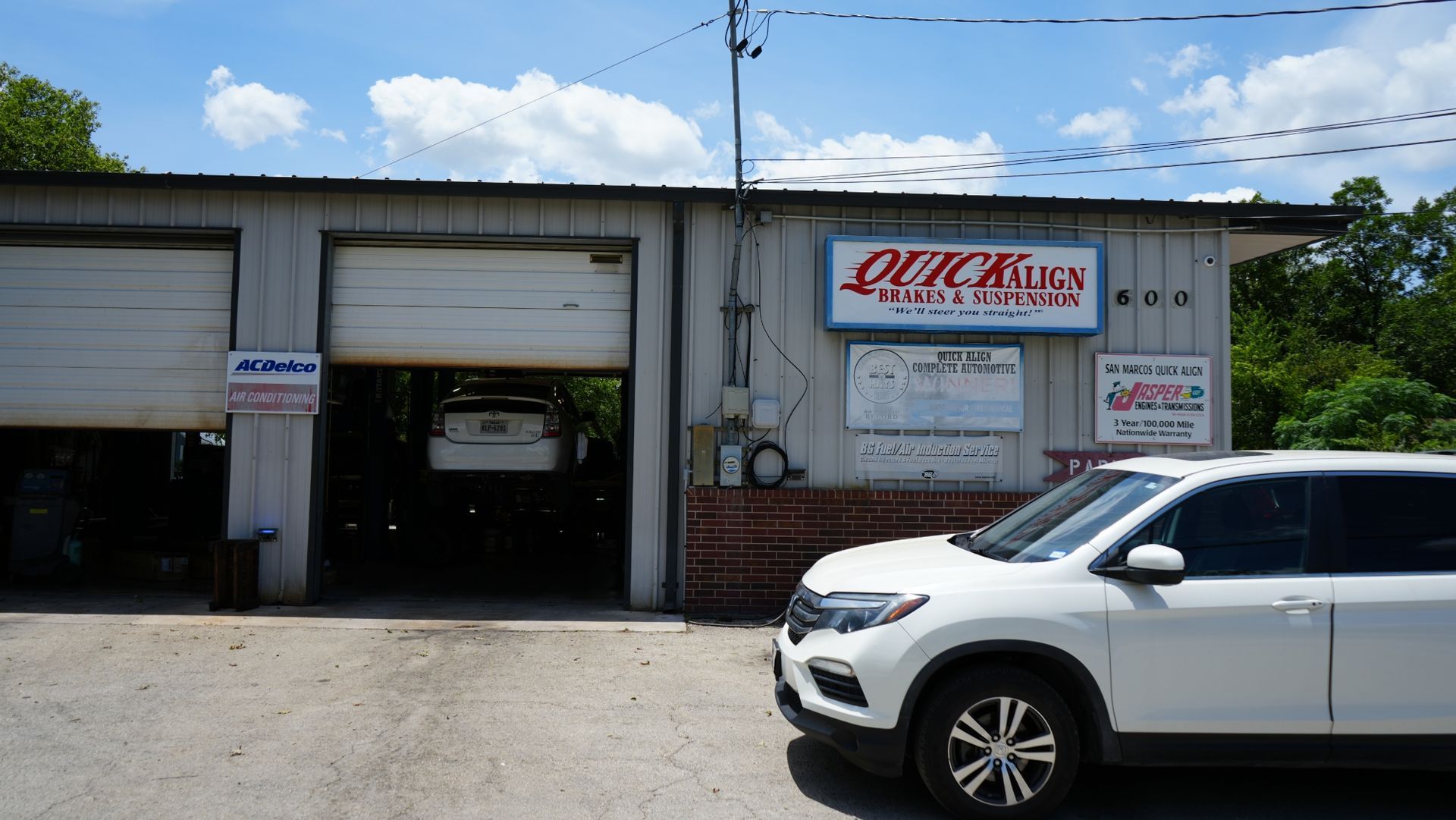
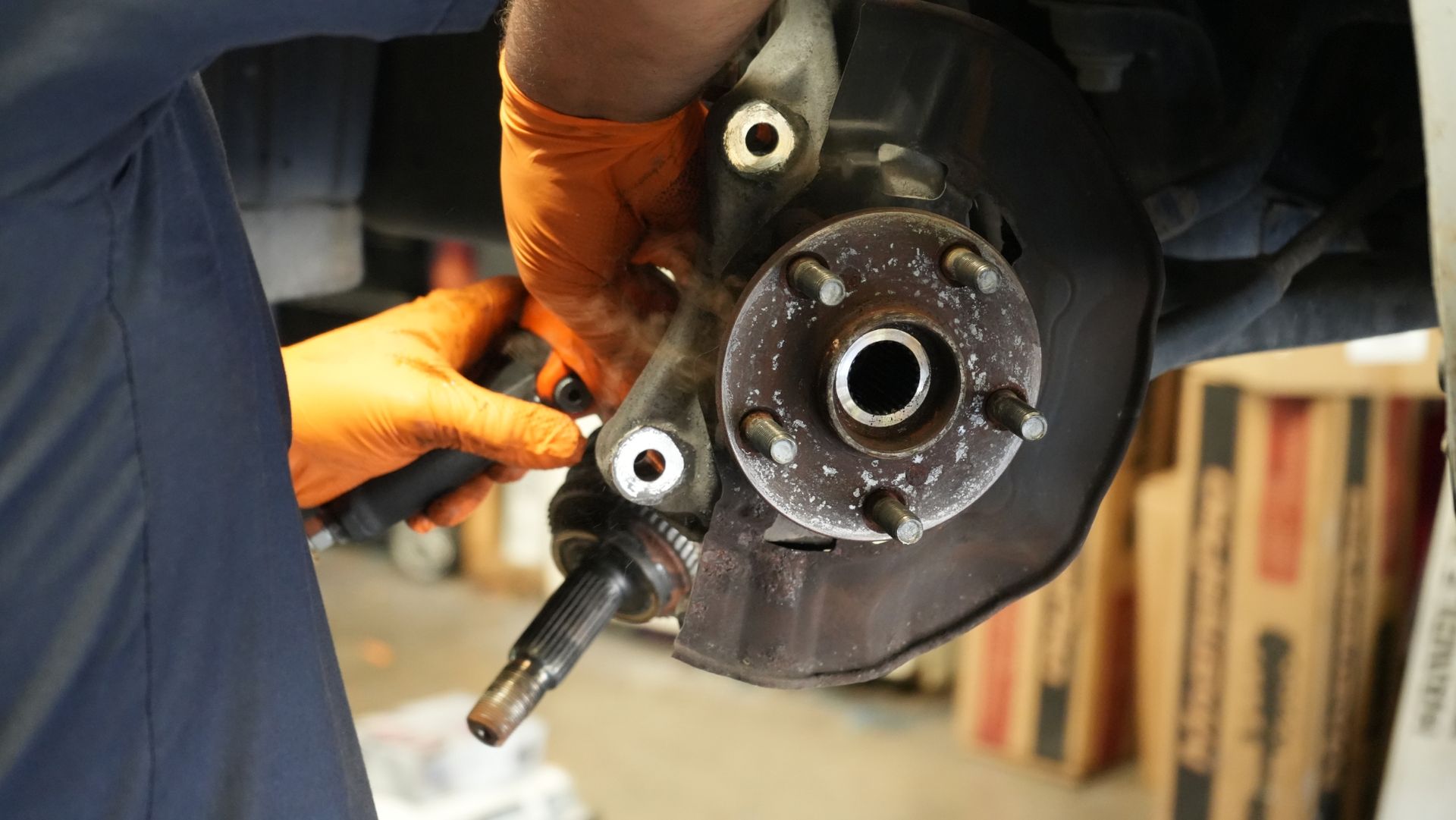
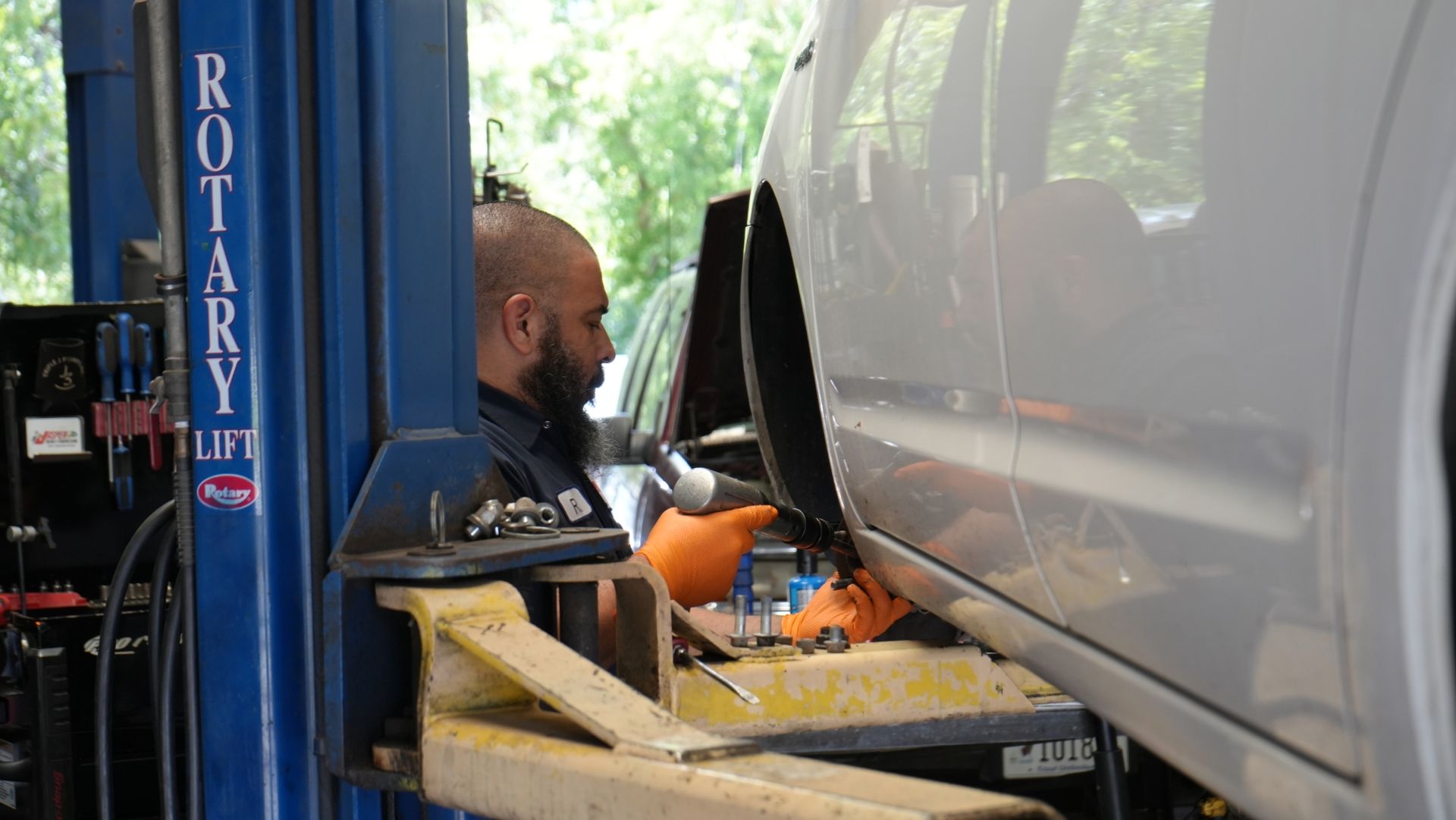
Quick Align Automotive is family-owned and operated, fully-qualified, and ready for automotive repair in San Marcos, TX. We can fix brakes, alignments, auto air conditioning, shocks and struts, and CV joints. We also offer computer diagnostics and a range of helpful services.

ASE logo

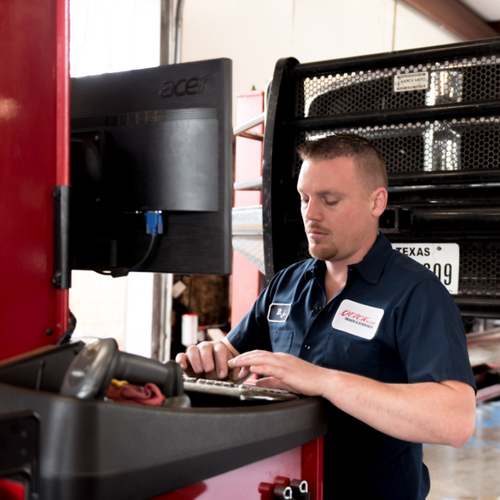
We Employ ASE Certified Technicians

All our technicians are certified.

Quality is of utmost concern here at Quick Align.  Which is why we employ Automotive Service Excellence (ASE) Certified technicians, especially given the increasing complexity of late model vehicles. ASE is the recognized standard of testing for our industry, nationwide, and each technician must retest every four years to maintain their certification. To stay current with constants changes we are enrolled in a program through AC Delco, one of the leaders in the automotive parts industry, to attend classes on the latest changes and repair procedures. Additionally, we have attended numerous classes presented by our parts and diagnostic equipment suppliers: Carquest, O’Reilly, Moog, Full Service, and Jendham. Because the vehicles we maintain are constantly evolving, our quest for knowledge never stops.

Labor warranty:

12 month / 12,000 miles

Alignment warranty:

6 month / 6,000 miles

OUR SERVICES

What Our Clients Say

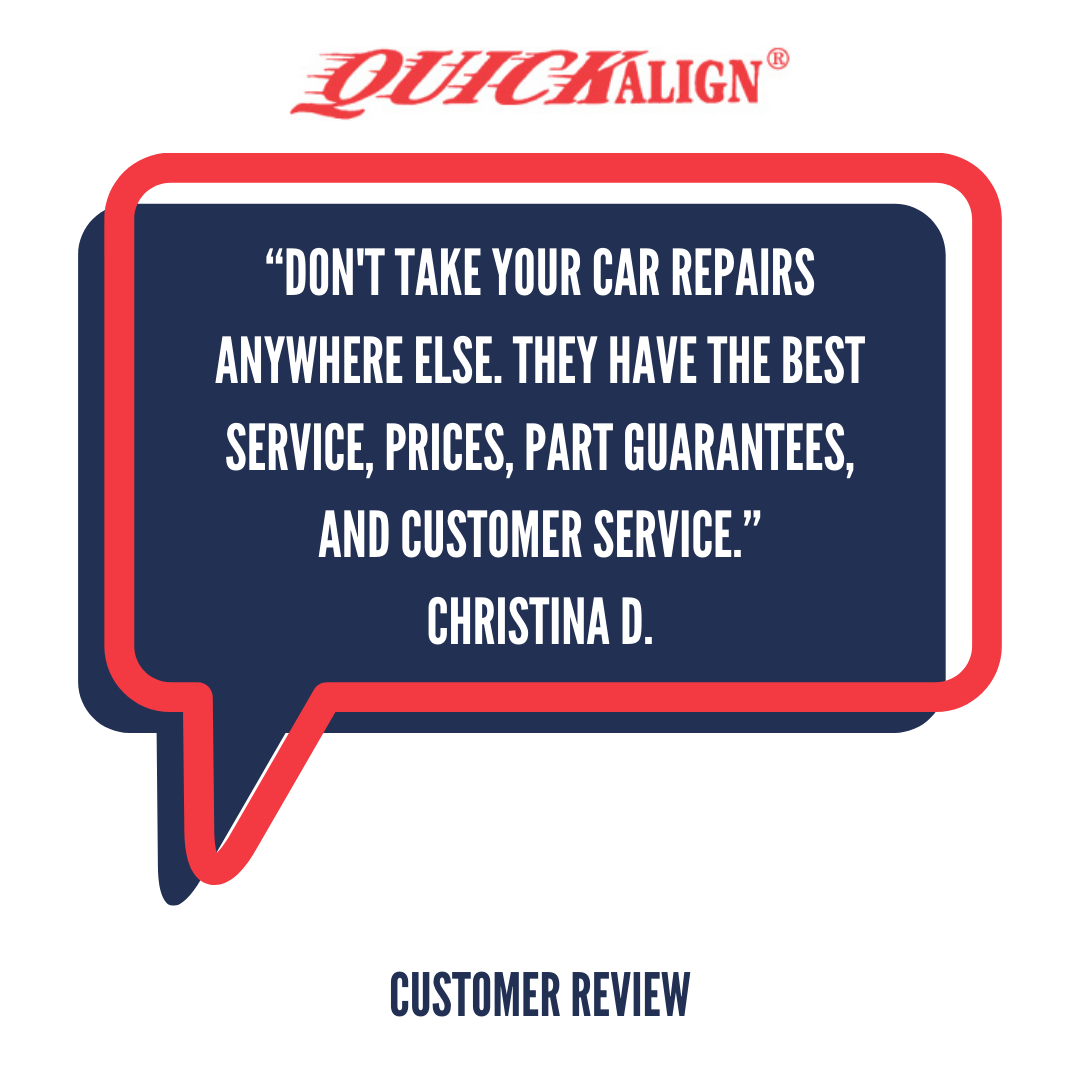
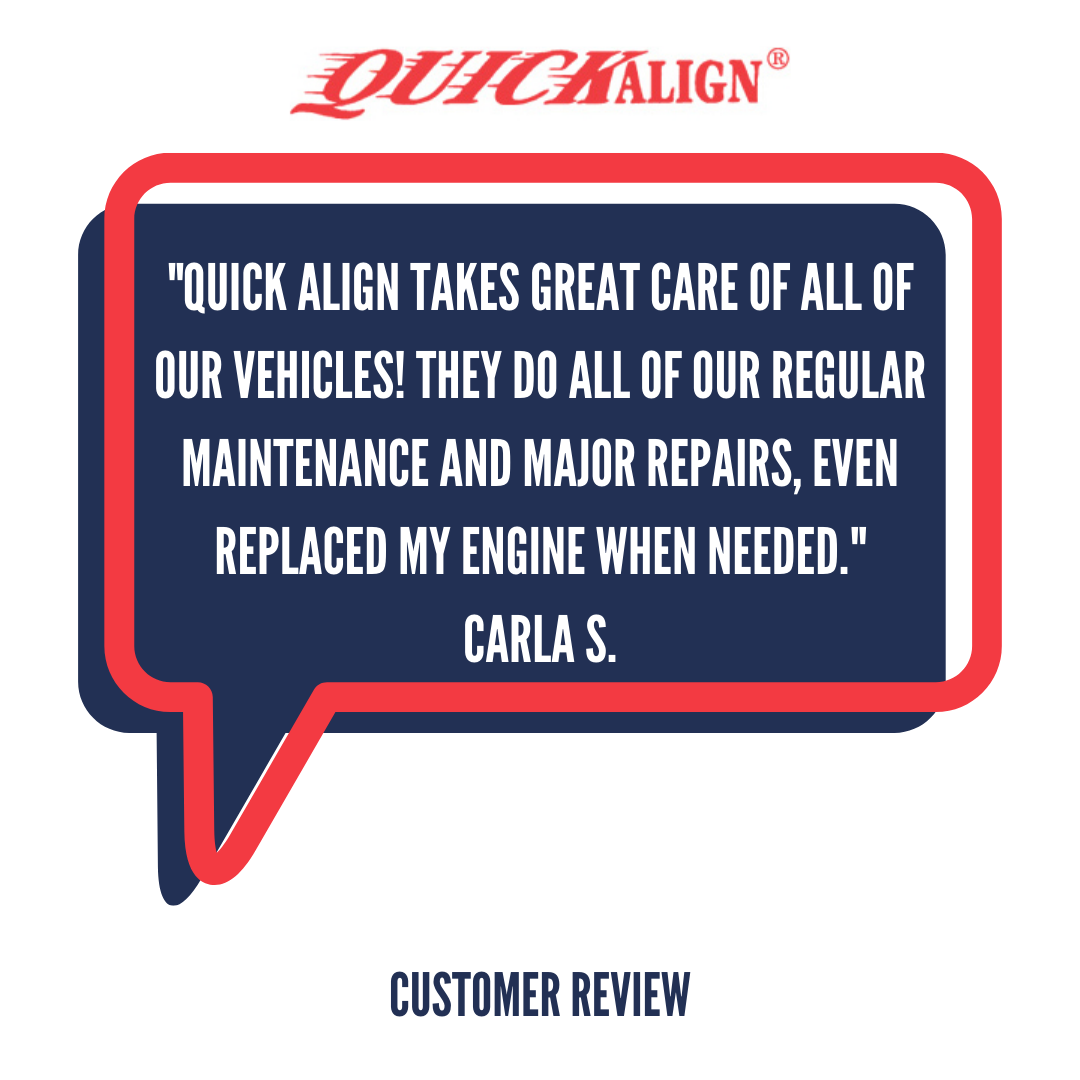
“I have had my brakes done, transmision flushed, timing belt changed, ac fan replaced all at Quick Align. Bill and the guys are always helpful, fast and freindly. Wouldn’t take my vehicles anywere else in San Marcos. Thier estimates are either right on the money or they have even charged less – if the parts weren’t needed. You are never talked down to and they are very fast at getting your car up and going. Couldn’t say enough”   Maxine Schaffer

“I’ve gone to yall for 2 different things and they have been fixed perfectly! Thanks, Bill for explaining and showing me the problems! Thanks, techs, for doing the job right and on time. Thank you all for being courteous! I’ll be back!”

Satisfied Customer

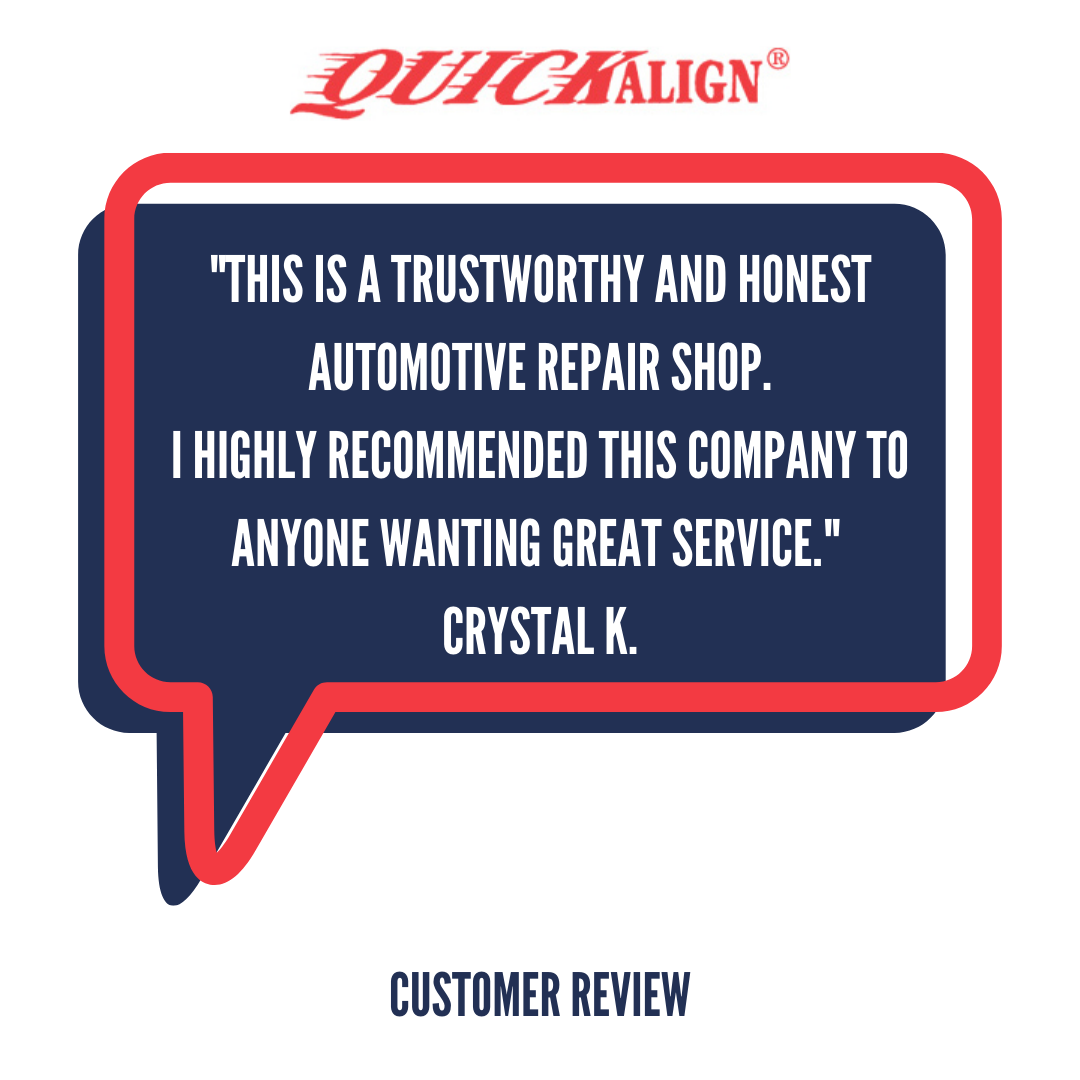
“An honest vehicle mechanic! That’s worth its weight in gold! I would not take my car anywhere else.”

John Steadman

“Your employees were extremely friendly and helpful. I was very impressed with the service. Thanks!”

Satisfied Customer

“Amazing service! I recommend this place to everyone looking for help & a fair price.”

Clair Scott

“Great service, get right to the problem quickly with years of experience behind them. not there to sell you parts you dont need.”

Wayman Jones

A close-up view of the front tire and fender of a matte black Mercedes-Benz G-Wagon parked next to a concrete curb.
April 1, 2026
Hit a curb? Even a single impact can affect your alignment, tires, and suspension. Learn what to watch for and when to get your car checked.
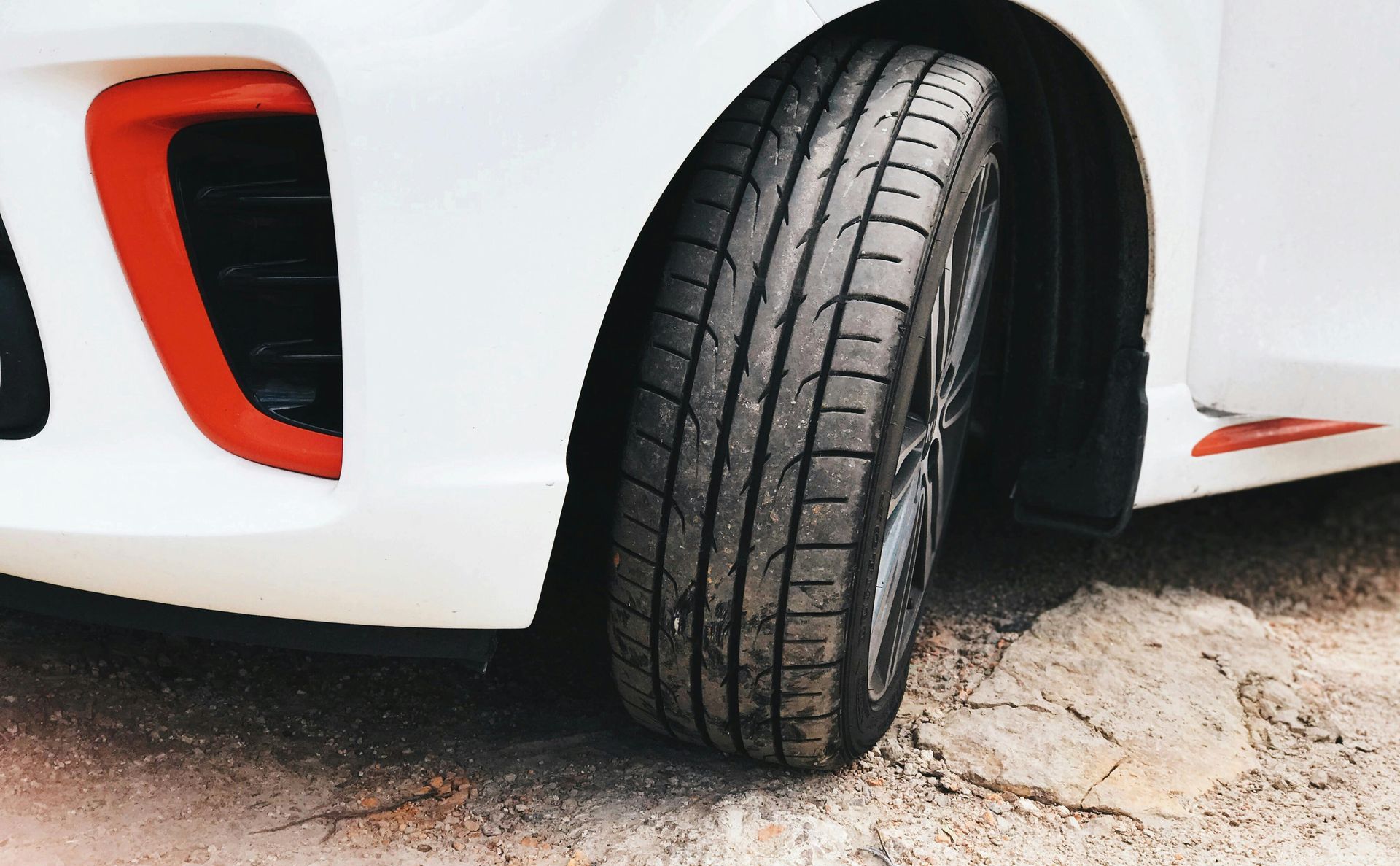
Close-up of a white car's front tire with black rims, parked on a dirt surface.
March 25, 2026
Car pulling to one side? It may not be alignment. Learn the common causes, from tire pressure to brakes and suspension problems.
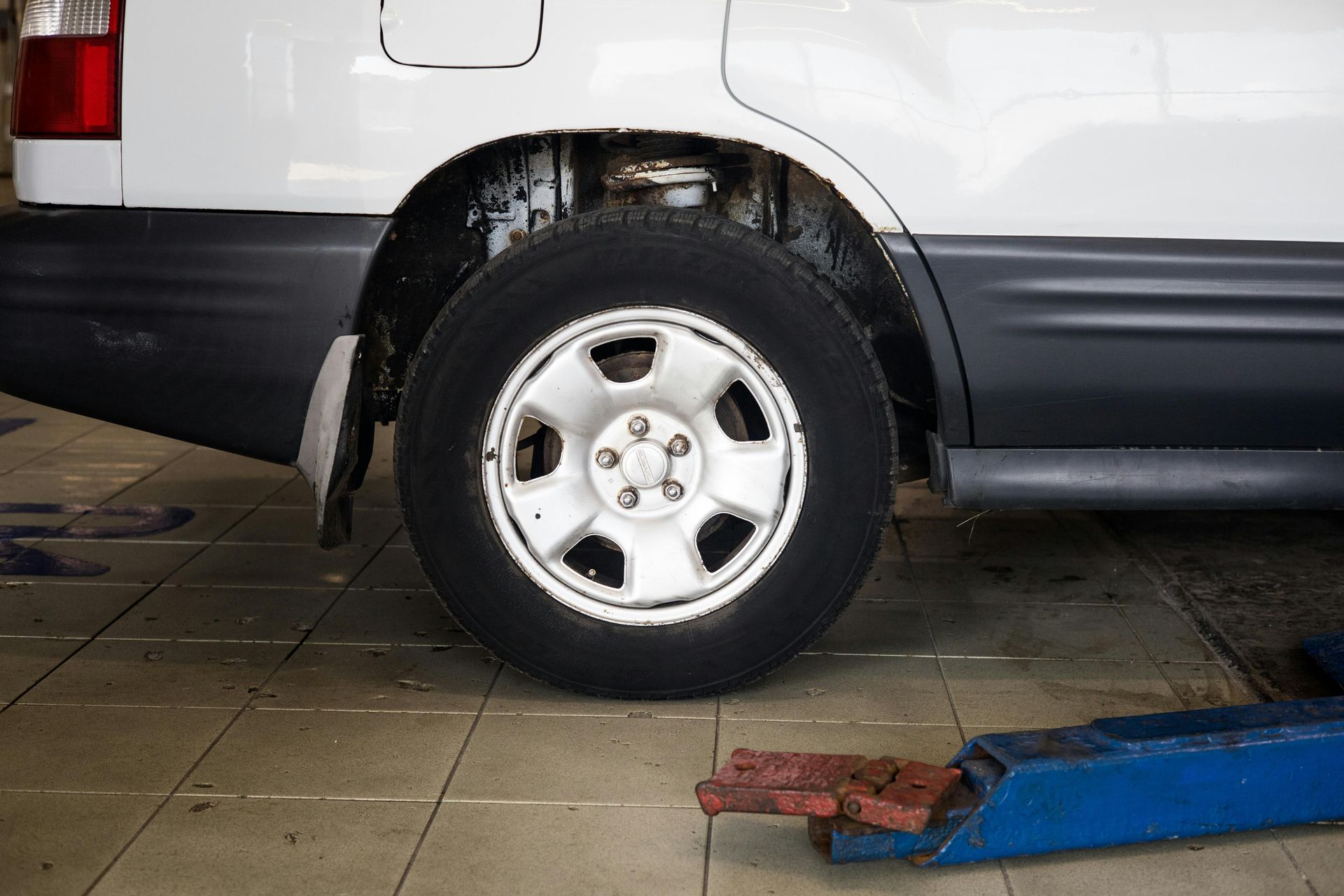
White car tire and wheel in a repair shop.
March 18, 2026
How often should you get a wheel alignment? Learn when to schedule service, warning signs to watch for, and how alignment protects your tires.
Woman looking frustrated in front of a white car with its hood up on a road.
March 10, 2026
Hearing strange car noises? Learn which sounds signal brake, suspension, engine, or wheel problems and when to get your vehicle inspected.
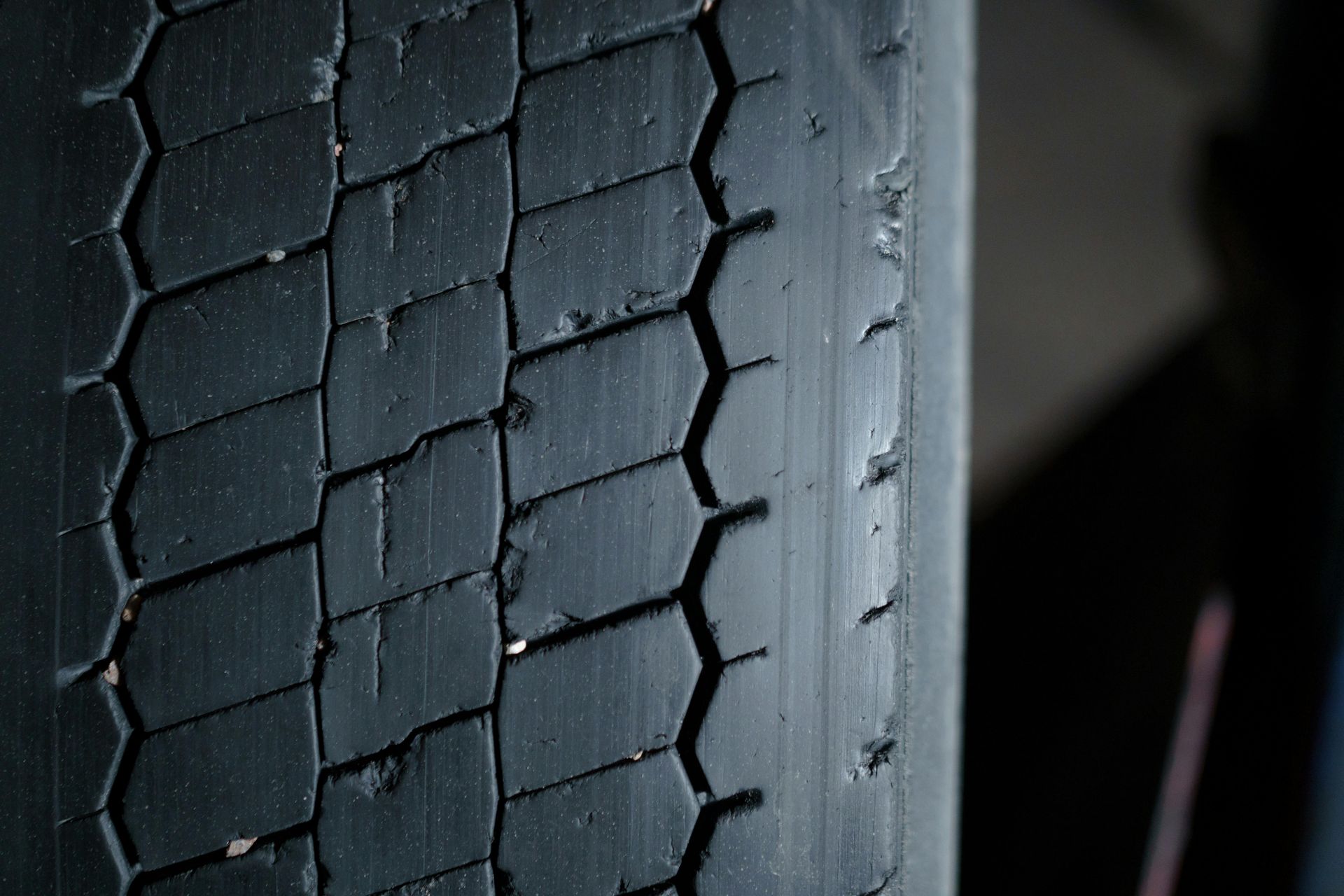
Close-up of a worn tire with cracked, shallow tread pattern.
March 2, 2026
Uneven tire wear is a warning sign. Learn what different tread patterns mean, what causes them, and how to prevent costly tire and suspension damage.
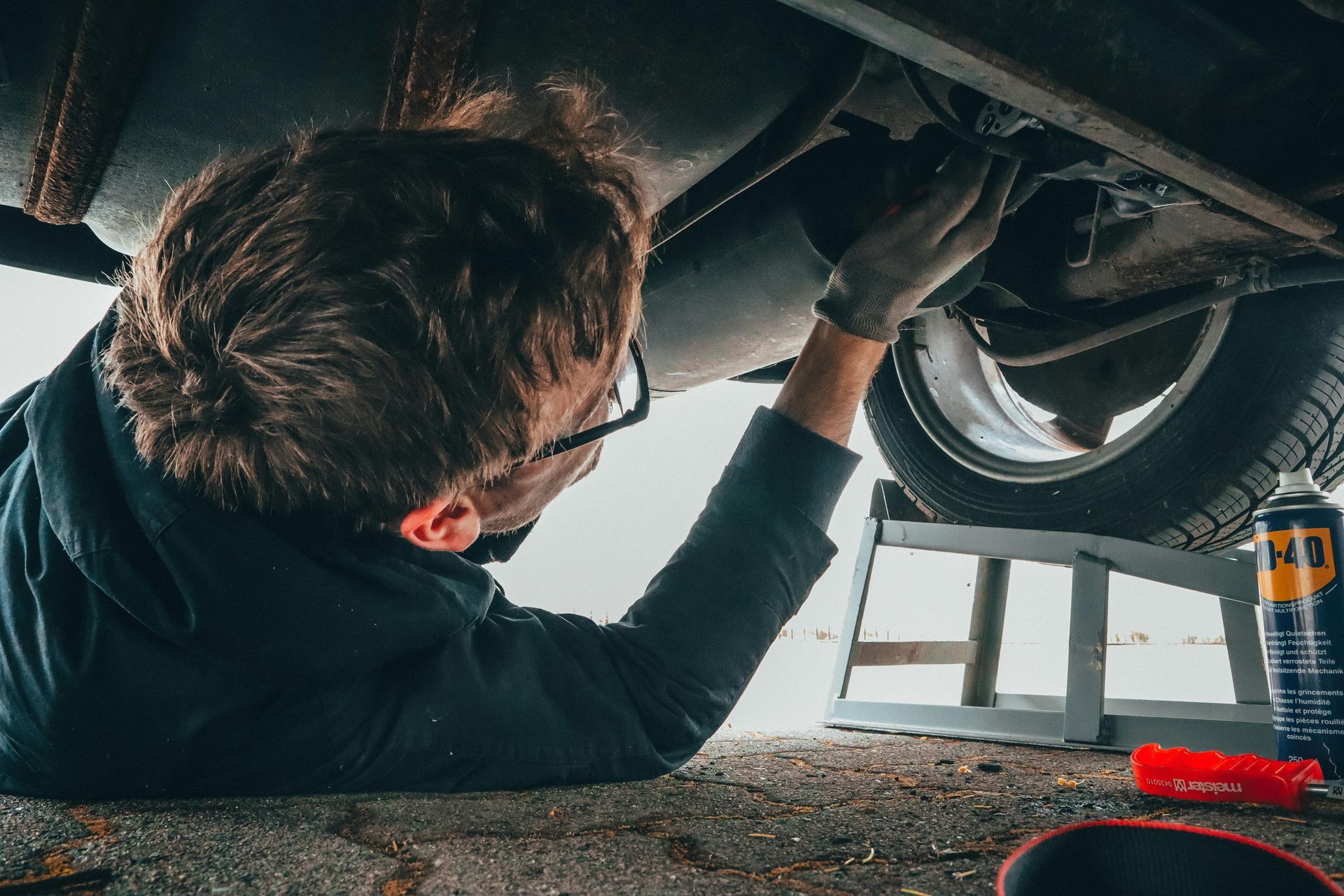
Person working on a car from below. Dark clothing, glasses, gloves. Underneath car, near tire and oil can.
February 11, 2026
Not sure who to trust with your car? Learn the real signs of a trustworthy auto repair shop, even if you do not know cars.
Hands gripping a car steering wheel; interior view, blurred background.
February 4, 2026
Steering wheel not straight? Learn what it really means, how misalignment affects safety and tires, and when to have your vehicle checked.
Interior car view, driving on a road. A car in the distance, blue sky, dashboard and steering wheel visible.
January 29, 2026
Planning a road trip? Learn what to check before you go to avoid breakdowns, costly repairs, and safety issues on the highway.
Car dashboard with illuminated warning lights, including seatbelt, battery, and low fuel indicator.
January 23, 2026
Dashboard warning lights explained. Learn which lights mean stop driving immediately and which ones mean schedule service before problems get worse.
A close-up of a brake system on a car chassis, showing the rotor and caliper, with a mechanic's legs in the background.
September 17, 2025
Most drivers don’t give much thought to their brakes until they start squealing or failing to stop the way they should. But knowing the type of brakes your vehicle has—disc or drum—can help you better understand how they work, how they wear, and why regular maintenance is so important. While both systems do the same job (slowing and stopping your car), they go about it in different ways, and each has its own strengths. The Basics: How Brakes Work At their core, brakes are all about friction. When you press the brake pedal, hydraulic fluid pushes brake components against a spinning surface attached to your wheels. That friction slows the wheel, and eventually, your car. Disc and drum brakes simply use different designs to make that happen. Disc Brakes Disc brakes are the most common setup on modern vehicles, especially on the front wheels. Here’s how they work: A rotor (or disc) spins with the wheel. A caliper squeezes brake pads against both sides of the rotor. The friction slows the rotor, and therefore the wheel. Benefits of Disc Brakes Better stopping power : Because the pads clamp both sides of the rotor, disc brakes provide strong, reliable braking—especially important at high speeds. Better heat dissipation : Discs are exposed to air, so they cool faster and resist brake fade (loss of braking effectiveness when overheated). More responsive : They tend to react quickly, giving you better pedal feel and control. Lower maintenance : Pads are relatively easy to inspect and replace. This is why most vehicles today use disc brakes on at least the front wheels—and many use them all around. Drum Brakes Drum brakes are an older design, but they’re still in use, especially on rear wheels of smaller cars, trucks, and economy models. Here’s the setup: A drum spins with the wheel. Brake shoes inside the drum press outward against the inner surface. Friction between the shoes and drum slows the wheel. Benefits of Drum Brakes Cost-effective : They’re less expensive to manufacture, which helps keep vehicle prices down. Durability : Because they enclose the brake shoes, drums can sometimes last longer before needing service. Parking brake integration : Drum brakes make it easy to include a simple, reliable parking brake mechanism. While they don’t offer the same high-performance stopping power as discs, drum brakes are still effective for everyday driving needs, especially on the rear wheels where less braking force is required. So, Which Does Your Vehicle Have? Most modern cars and SUVs : Disc brakes in front, sometimes drums in the rear. Higher-end and performance vehicles : Disc brakes on all four wheels. Older vehicles and economy models : Often drum brakes in the rear. If you’re unsure, a quick look through your wheel spokes can usually tell you. Flat, shiny metal = disc brake rotor. A solid metal backing plate with no visible rotor = drum brake. Maintenance Differences Both types of brakes need regular attention, but here’s what you can expect: Disc brakes : Pads usually last between 30,000–70,000 miles, depending on driving style and conditions. Rotors may need resurfacing or replacement as they wear. Drum brakes : Shoes can last longer than pads, but when they do wear, the repair process can be more involved. Drums themselves can also warp or crack over time. No matter the system, routine inspections are key. Brakes wear gradually, so most people don’t notice the decline until it becomes a real safety issue. The Bottom Line Whether your car has disc brakes, drum brakes, or a combination of both, the important thing is that they’re working properly. Discs offer better stopping power and performance, while drums provide a cost-effective and durable solution. Both need regular maintenance to keep you safe on the road. Don’t wait until your brakes squeal, grind, or feel spongy. Regular inspections catch problems early, saving you money and keeping your vehicle safe. If you’re not sure what type of brakes your car has—or when they were last serviced— schedule a brake check with us before small issues turn into big ones.
Show More